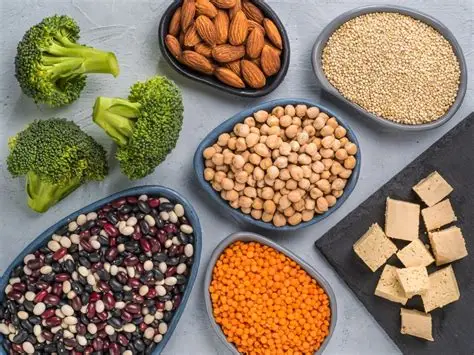

Protein intake and sleep quality are corelated. Good-quality sleep is vital for overall health, fitness, and recovery. Did you know that your nutrition, especially protein intake, can significantly influence how well you sleep? This blog dives into the science behind nutrition and protein’s impact on sleep, explaining how the right nutrition habits can help improve your rest and support your fitness goals.
Contents
- 1 Why Sleep Matters for Fitness and Health?
- 2 The Nutrition Connection Between Protein intake and Sleep quality
- 2.0.1 Tryptophan and Sleep: Foods rich in tryptophan, such as dairy, Paneer, nuts, and seeds, can promote relaxation and better sleep.
- 2.0.2 Balanced Amino Acids: Adequate nutrition with sufficient protein provides amino acids that support neurotransmitters impacting sleep.
- 2.0.3 Blood Sugar Stability: Protein supports blood sugar balance, preventing spikes and dips that can disrupt sleep.
- 3 1.How Much Protein Nutrition is Ideal for Better Sleep?
- 4 2.Here are some sleep-friendly protein rich foods to include in your nutrition plan.
- 5 3.Potential Risks Of Poor Protein Nutrition On Sleep
- 6 4.Practical Nutrition Tips To Optimize Protein for Better Sleep
- 7 Summary
- 8 FAQ
- 9 Call to Action
Why Sleep Matters for Fitness and Health?
Several studies show that protein intake and sleep quality have a strong relationship. Sleep is when the body repairs muscles, balances hormones, and consolidates memory. Poor sleep is linked to slower recovery, reduced energy, impaired mental function, and even weight gain. Optimizing sleep quality through good nutrition is essential for fitness enthusiasts, athletes, and anyone who wants to feel and perform their best. That’s why protein intake and sleep quality matters.
The Nutrition Connection Between Protein intake and Sleep quality
https://www.linkdin.com/in/preksha-jain-8bb678213
Protein is a key nutrient because it contains amino acids like tryptophan, which the brain uses to produce sleep-promoting neurotransmitters such as serotonin and melatonin. These chemicals regulate mood and the sleep-wake cycle. Focusing on protein intake and sleep quality together through nutrition can enhance muscle recovery. Protein intake and sleep go hand in hand.
Tryptophan and Sleep: Foods rich in tryptophan, such as dairy, Paneer, nuts, and seeds, can promote relaxation and better sleep.
Balanced Amino Acids: Adequate nutrition with sufficient protein provides amino acids that support neurotransmitters impacting sleep.
Blood Sugar Stability: Protein supports blood sugar balance, preventing spikes and dips that can disrupt sleep.
1.How Much Protein Nutrition is Ideal for Better Sleep?
While more research is needed, consuming moderate protein throughout the day, especially in the evening, may enhance sleep quality. Experts suggest:
Including a protein-rich snack or light meal about 1-2 hours before bedtime.
Avoiding excessive protein intake late at night.
Combining protein with complex carbohydrates.
Best Protein Nutrition Source to Support Sleep
2.Here are some sleep-friendly protein rich foods to include in your nutrition plan.
- Cottage Cheese or Greek yogurt
- Nuts like almonds and walnuts
- Seeds such as pumpkin and chia seeds
- Tofu and other soy products
- Protein shakes
3.Potential Risks Of Poor Protein Nutrition On Sleep
- Low protein intake may reduce tryptophan availability, impairing sleep quality
- Excessive protein, especially heavy or fatty meals at night, can cause digestive discomfort and restless sleeps
4.Practical Nutrition Tips To Optimize Protein for Better Sleep
- Plan balanced meals that include sufficient protein without overeating.
- Snack smart: nuts, yogurt, or a small protein shake.
- Avoid caffeine and heavy meals close to bedtime
- Stay hydrated.
Summary
Good nutrition, with adequate protein intake, plays a key role in supporting restful sleep by providing amino acids critical for neurotransmitter production and blood sugar balance. By choosing the right protein sources and timing your nutrition wisely, you can enhance sleep quality, aiding overall health and fitness goals. Impact of protein intake on sleep quality always matters.
FAQ
Q: Can protein nutrition help me fall asleep faster?
A: Certain amino acids like tryptophan in protein-rich foods can promote relaxation and support better sleep.
Q: Is it better to consume protein nutrition before bed?
A: A light protein snack about 1-2 hours before bed may improve sleep quality, especially foods with casein protein.
Q: Can too much protein nutrition disrupt sleep?
A: Yes, very high protein intake or heavy meals late at night might cause discomfort or restlessness affecting sleep.
Call to Action
Contact Want to sleep better and boost your fitness progress? Start by optimizing your protein nutrition today!